5 Signs Your Restaurant's Marketing Needs Help (and What to Do First)
Your restaurant's marketing needs help when you notice clear signs like dead weeknights, guests who cannot find you on Google, social posts that get no response, delivery apps as your only source of new customers, and no way to reach the people who already visited. You do not have to fix all of it at once. Start by making sure people can find you on Google, then begin collecting guest contact information so you can bring them back. Handle one problem at a time and the rest gets easier.


- If your weeknights stay dead no matter what you try, your marketing is not reaching the right people at the right time.
- Not showing up when someone searches your cuisine and neighborhood on Google is the most expensive problem on this list, so fix it first.
- Social posts that get no likes or comments usually mean the format is wrong. Short vertical video of food and faces beats flyer-style graphics.
- If DoorDash and Uber Eats are your only source of new orders, you are renting customers at 15 to 30 percent per order and cannot reach them again.
- You need a way to contact past guests. An email or text list is yours forever, while followers belong to the app.
- Do not fix everything at once. Get found on Google, start a guest list, then work on slow nights and social.
It is 7 p.m. on a Tuesday. The dining room is half empty, the kitchen is bored, and you are standing near the host stand wondering where everyone went. You know the food is good, because your regulars tell you all the time. So why does it feel like the rest of the city has no idea you exist?
When a restaurant with good food is slow, the problem is usually the marketing. Marketing is just all the ways people find you, remember you, and decide to come back. When it breaks, you do not see a report. You see empty tables.
Broken restaurant marketing shows the same handful of symptoms in almost every case. Below are the five signs we see most often at restaurants, what each one really means, and the single first fix to start on this week. You do not need a big budget or a marketing degree. You just need to know which problem you actually have.
How do you know if your marketing actually needs help?
Before we get to the five signs, let us agree on what we are even looking at. When people say a restaurant has a "marketing problem," they usually mean one of two things: not enough new people discover the place, or the people who do come never come back. That is it. Every symptom below is really one of those two leaks.
A quick gut check: think about the last ten new faces you saw in the dining room. Do you have any idea how they found you? Could you message any of them right now to invite them back? For most owners the honest answer to both is no, and that is exactly the gap we are going to close. Read the five signs, be honest about which ones sound like your place, and start with the fix that gives you the most back for the least effort.
Sign 1: Your weeknights are dead and nothing you try fills them
You are busy on Friday and Saturday, so you know the food and the room work. But Monday through Wednesday feel like a different business. You have tried a discount here, a random post there, maybe a live band once, and nothing stuck. The slow nights just stay slow.
This is usually a reason-to-come problem. On a slow night, people are choosing between you and staying home. You have to give them a specific reason to leave the couch, and then you have to tell the same people about it over and over until it becomes a habit.
First fix: build one repeatable weeknight offer and promote it everywhere you already reach people
- Pull up your sales by day of the week for the last month and find your single slowest night. Do not try to fix all three at once. Pick one.
- Build one clear, specific offer tied to that night, and give it a name. "Taco Tuesday, 3 dollar tacos from 5 p.m. to 9 p.m." or "Industry Monday, 20 percent off for service and hospitality workers." A named, repeatable offer beats a random one-time discount.
- Announce it in the three free places you already own: a Google Business Profile update (the "Add update" button on your listing), an Instagram post plus a story, and a small printed sign at the register and on each table.
- Tell every guest who walks in this week, out loud. "Come back Tuesday, tacos are 3 dollars." Word of mouth from your own staff is free and it works.
- Run it for at least six to eight weeks before you judge it. One slow week is not a test. Habits take time to form.
The goal is a Tuesday your neighbors can count on, so it fills itself month after month.
Sign 2: People cannot find you on Google
Here is a test you can run in thirty seconds. Take out your phone and search your type of food plus your neighborhood, like cuban restaurant little havana or brunch in brickell. Do you show up on the little map with the top few listings? Now search your restaurant by name. Is the info correct, or is it missing, wrong, or showing an old phone number?
If you are hard to find, you have the most expensive problem on this whole list. Most hungry people do not open a fancy app. They type restaurants near me into Google and tap one of the first places on the map. That map box is called the local pack, and the free listing that gets you into it is called a Google Business Profile. If yours is missing or half-empty, you are invisible at the exact moment someone three blocks away is deciding where to eat.
First fix: claim and fully complete your Google Business Profile
- On a web browser, go to business.google.com and click Manage now. Sign in with a Google account that belongs to the business, not your personal Gmail.
- Search your restaurant name. If a listing already exists, claim it. If not, choose Add your business to Google and create one. Never make a second listing if one already exists, because duplicates split your reviews and bury you.
- Fill in every field exactly: your name as it appears on your sign, your address in one consistent format, your best phone number, your website, and a specific category like Cuban restaurant instead of a plain Restaurant.
- Set your hours, including special holiday hours, so nobody drives to a locked door.
- Add at least 20 real photos: the outside and your sign, the inside, your food, and your menu. Then finish verification, because your profile stays invisible to the public until Google confirms it is really yours.
This one is not optional. If you do nothing else on this list, do this, because every other marketing dollar works better once people can actually find you.
Sign 3: You post on social media and hear crickets
You post a few times a week. A flyer for your specials, a graphic with your hours, maybe a photo of a plate. And the response is almost nothing. A handful of likes, mostly from friends and staff, and zero comments or new customers. It feels like shouting into an empty room, so eventually you stop.
Low engagement (the likes, comments, shares, and saves a post gets) usually means the format is wrong. Flyer-style graphics and text-heavy posts get buried. What spreads today is short vertical video that shows food and real people, because the apps push it and because that is what makes someone hungry.
First fix: trade static graphics for short, simple food video
- Look at your last ten posts. If most are graphics, flyers, or text on a colored background, that is your problem. Stop making those.
- This week, film three short vertical videos on your phone: a dish being plated, a close shot of the cheese pull or the drink being poured, and one staff member saying their favorite thing on the menu in a sentence.
- Keep each one 7 to 15 seconds. Shoot near a window for good light. Do not overthink editing. Real and a little rough beats polished and boring.
- Post them as Reels on Instagram and as videos on TikTok. Add a short caption and tag your location so nearby people find them.
- Reply to every comment and direct message within a few hours. Answering fast keeps the conversation going and tells the app your account is worth showing to more people.
If posting consistently is the part you keep dropping, that is exactly the kind of thing a partner can carry for you. Here is how we handle restaurant social media that actually brings people in so the camera work and the posting stop being one more thing on your plate.
Sign 4: Delivery apps are your only source of new customers
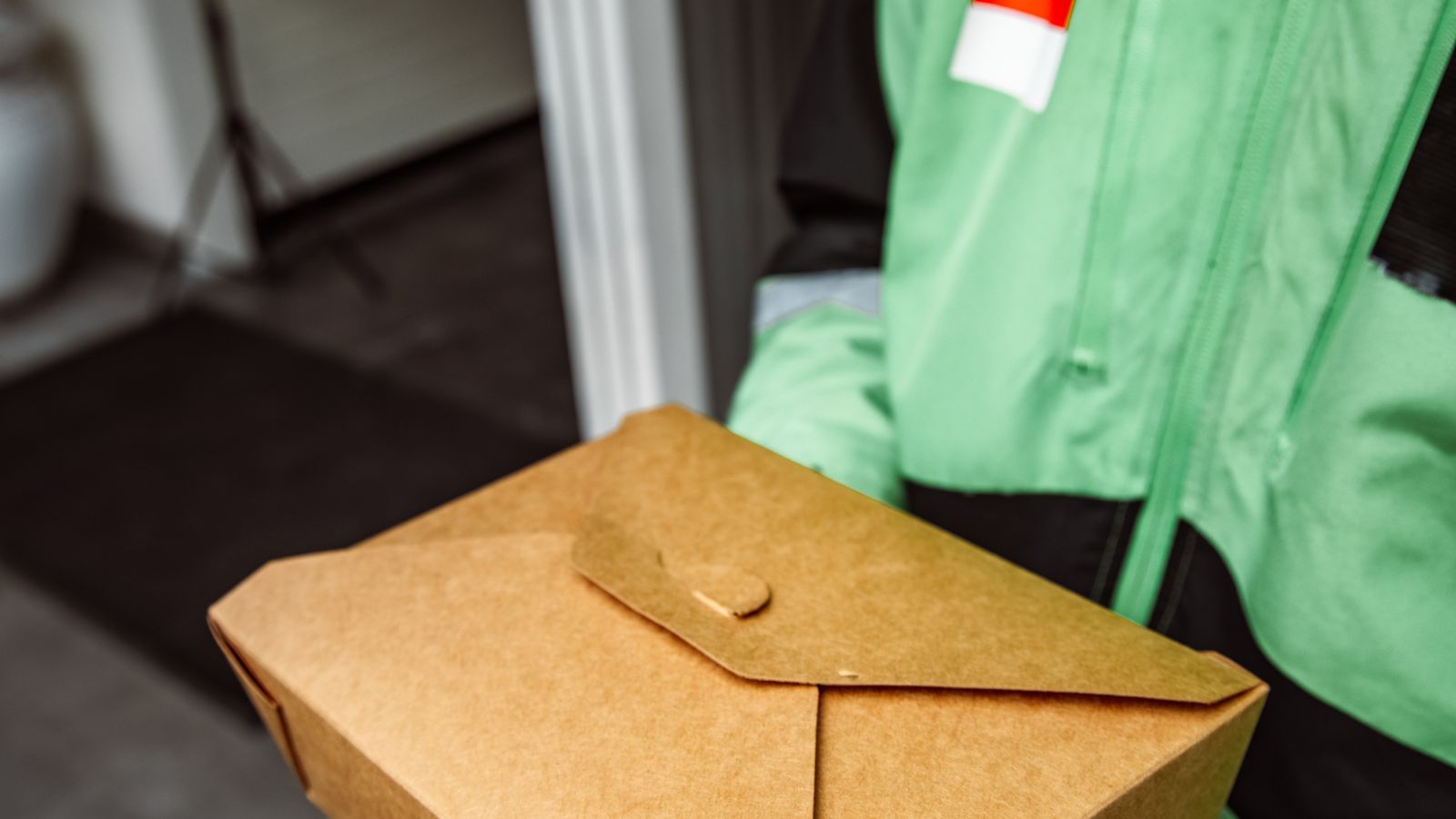
Orders are coming in, which feels good, but almost all of them are from DoorDash or Uber Eats. When you finally do the math on the commissions, the good feeling fades. And here is the part that stings more: you have served hundreds of those customers and you cannot reach a single one of them directly. The app owns them, not you.
Third-party delivery apps charge restaurants roughly 15 to 30 percent of every order, and once extra fees stack up the real cost often lands even higher. That is fine as a discovery tool, a way for new people to try you. It is a disaster as your only channel, because you are renting customers you can never contact again. The fix is to keep the apps and turn app customers into direct, repeat customers.
First fix: build a direct ordering path and pull app customers into it
- Add up what you paid the delivery apps last month. Seeing that number in dollars is usually the motivation you need.
- Set up a direct online ordering link. Many restaurant point-of-sale systems (the software that rings up your sales, like Toast, Square, or Clover) include commission-free or low-fee online ordering. Turn it on, or use a commission-free ordering provider.
- Put that direct order link on your website and add it as the "Order" button on your Google Business Profile, so the free traffic you already get can skip the apps.
- In every third-party delivery bag, include a small card or sticker with your direct ordering link and a reason to use it next time, like a free drink or 10 percent off their first direct order.
- Tell dine-in guests too. A quick line on the receipt or a table tent that says "Order direct next time and skip the app fees" moves people over one at a time.
You do not have to fire the apps. You just have to stop letting them be the only way anyone can order from you.
Sign 5: You have no way to reach the guests who already love you
Think about your best regulars. Now imagine you wanted to tell them about a special event this Friday. Could you actually reach them today? For most owners the answer is no. You have their faces and their orders memorized, but no phone number, no email, no way to send a single message. Every happy guest walks out the door and it is up to luck whether they ever come back.
This is the quietest and most expensive gap of all. Followers and likes feel like an audience, but they are borrowed. The app decides who sees your posts. An owned audience, which just means a list of guest emails and phone numbers that you keep, is yours forever. Bringing back someone who already liked you is far cheaper than finding a brand new customer, and you cannot bring them back if you cannot reach them.
First fix: start collecting guest contact info and send one message a month
- Pick one simple way to capture contacts. A QR code on the table or receipt that says "Join our list for a free dessert" works, and so does a tablet or a simple clipboard at the register.
- Give people a clear reason to join. A free appetizer, a free coffee, or a dollar amount off their next visit is enough. "Join our list" alone is not.
- Choose where the list will live. Check your point-of-sale system first, because many (Square, Toast, and Clover among them) include built-in email and text marketing. If yours does not, a free or low-cost email tool will do to start.
- Add the sign-up everywhere it makes sense: the receipt, the table, your Instagram bio, and your website.
- Send one message a month. A special, an event, a new dish, a holiday reminder. One consistent message a month beats a big blast once a year and then silence.
Six months from now, a list of a few hundred guests you can message anytime is one of the most valuable things your restaurant owns. Start it today, even if it is just a clipboard.
Which fix should you do first? A simple order of operations
If you recognized more than one sign, do not try to fix them all this week. That is how owners burn out and quit. Work in this order, because each step makes the next one pay off more.
- Get found first. Claim and complete your Google Business Profile (Sign 2). If people cannot find you, nothing else you do matters. This is always step one.
- Stop the leak. Start collecting guest contact info (Sign 5). Every day without a list is a day of guests you can never bring back. The sooner you start, the bigger it grows.
- Then fill the room and feed your feed. Build your one weeknight offer (Sign 1) and switch your posts to short video (Sign 3). These work far better once you are findable and you have a list to promote them to.
- Fix the money leak. Build a direct ordering path (Sign 4) so the customers you win stop costing you a third of every order.
Pick the first item, block two hours this week, and finish it before you move on. One finished fix beats five half-started ones. Momentum comes from completing things, not from planning them.
When does it make sense to bring in help?
You can do every fix in this article yourself, and plenty of owners do. The question is whether you should be the one spending nights filming videos and managing a contact list while you also run a kitchen and a payroll. Your time has a price too.
A good sign it is time to hand it off: you know exactly what needs doing (you just read the list), but weeks keep passing and none of it gets done, because service always comes first. That is a capacity problem, and it is the normal reason restaurants bring in a partner.
If you want a second set of eyes, we help restaurants in Miami and across the US with exactly this, from Google and social to websites and ads. Tell us what feels slowest and we will look at your listing, your social, and your numbers with you. You can book a free strategy call and walk away with a clear first step whether you hire anyone or not.
Frequently asked questions
How do I know if my restaurant's marketing is working?
Your marketing is working if new people keep discovering you and past guests keep coming back, and you can point to how both happen. Clear warning signs that it is not working include dead weeknights that no promotion fixes, not appearing when people search your food and neighborhood on Google, social posts that get almost no response, delivery apps being your only source of new orders, and having no way to contact past guests. If two or three of those sound like your restaurant, your marketing needs attention, and the fastest starting point is making sure people can find you on Google.
Why is my restaurant so slow on weeknights?
Slow weeknights usually mean people do not have a reason to come that night. On a quiet Tuesday people are choosing between your restaurant and staying home, so you need to give them one specific, repeatable reason to leave the couch and then remind the same people about it consistently. Build one named weeknight offer, such as a taco night or an industry-worker discount, promote it on your Google listing, your Instagram, and a sign in the restaurant, and run it for at least six to eight weeks so it becomes a habit locals count on.
Why is my restaurant not showing up on Google?
Restaurants usually do not show up on Google because their Google Business Profile is missing, unclaimed, unverified, or incomplete. Google needs a complete and verified listing with your exact name, address, phone, category, hours, and photos before it will rank you in the map results that most diners tap. Go to business.google.com, claim or create your listing, fill in every field, add at least 20 photos, and complete verification, because your profile stays invisible to the public until Google confirms it is really yours.
Why do my restaurant's social media posts get no likes or comments?
When restaurant posts get no engagement, the format is usually the problem. Flyer-style graphics, hours posts, and text on a colored background get buried, while short vertical video of food and real people spreads because the apps promote it and it makes viewers hungry. Film three short phone videos a week, such as a dish being plated or a staff member naming their favorite item, keep them under 15 seconds, post them as Reels and TikToks with your location tagged, and reply quickly to every comment.
Are delivery apps like DoorDash worth it for restaurants?
Delivery apps like DoorDash and Uber Eats are worth it as a discovery tool but not as your only channel. They charge restaurants roughly 15 to 30 percent per order, and the real cost often runs higher once extra fees stack up, so relying on them alone eats your margin and hands your customers to the app. Keep the apps to help new people find you, but set up a commission-free direct ordering link on your website and Google listing, and use inserts and incentives to move repeat customers to order direct.
How do restaurants collect customer emails and phone numbers?
Restaurants collect guest contact info by offering a clear perk in exchange for signing up and making the sign-up easy to reach. Put a QR code on tables and receipts that offers a free dessert or a discount for joining, or use a tablet or clipboard at the register, and store the list in your point-of-sale system if it includes email and text marketing (many like Square, Toast, and Clover do) or a simple email tool if not. Then send one message a month so the list stays warm and actually brings people back.
What is the first thing a restaurant should fix in its marketing?
The first thing to fix is being found on Google, by claiming and fully completing your Google Business Profile. If people cannot find you when they search your food and neighborhood, no promotion, post, or ad can help, which makes the listing the foundation everything else stands on. Once you are findable, the next priority is starting a guest contact list so you can bring past customers back, and only then should you focus on slow-night offers and social video.
Should I hire a marketing agency for my restaurant?
Consider hiring help when you already know what needs doing but weeks keep passing without it getting done because running the restaurant always comes first. That is a capacity problem, and it is the normal reason owners bring in a partner to handle Google, social, websites, and ads consistently. Before you commit, it is reasonable to book a free consultation, get an outside read on your listing and social, and leave with a clear first step whether you hire anyone or not.
If you'd rather have someone do this for you, book a free strategy call and we'll talk through a plan for your restaurant.
Juan Hernandez
Juan Hernandez is a co-founder and the account manager of Button Up Media, a restaurant marketing agency headquartered in Miami. He hosts the agency's free strategy calls and works directly with restaurant owners on their marketing.