How to Promote a New Restaurant in Miami
Promote a new Miami restaurant by claiming and optimizing your Google Business Profile first, running geo-targeted Instagram and Facebook ads inside a 3 to 5 mile radius, partnering with local food influencers, and building a soft-opening guest list before you ever serve a paying table. Those four moves drive the most covers in your opening 90 days.
- Claim and fully build your Google Business Profile before opening day. It is where most local diners decide, and restaurants often see far more views on their profile than their website.
- Run geo-targeted Instagram and Facebook ads in a 3 to 5 mile radius. Food is one of the cheaper verticals to advertise, with CPCs often in the $0.50 to $1.70 range.
- Work with Miami micro-influencers (10K to 100K followers). Expect roughly $100 to $500 per post, or comped meals plus a smaller fee.
- Run a soft opening for 50 to 150 guests to generate reviews and content before the public launch.
- Publish in English and Spanish. A large share of Miami diners search and scroll in Spanish.
- Time your launch around Miami Spice (August 1 to September 30) and other GMCVB programs to ride existing demand.
- Track covers, reservations, and review velocity weekly for the first 90 days, not vanity follower counts.
Start with the channels diners actually use to pick a restaurant tonight. Around 70% of consumers turn to Google products to find local businesses, and many studies put restaurant-specific Google use even higher, so a fully built Google Business Profile is the single highest-leverage thing you can do in week one. Pair that with geo-targeted paid social and a handful of trusted local creators, and you have a launch that fills tables instead of hoping word spreads.
Miami is its own animal. You are competing against 300-plus restaurants in Miami Spice season, a transient tourist crowd, a strong Spanish-speaking market, and neighborhoods (Brickell, Wynwood, Little Havana, Coral Gables) that each behave like a different city. The plan below is built for that reality, with real numbers and the order to do things in.
Build Your Google Business Profile First
Before a single ad runs, claim and complete your Google Business Profile. This is where most local discovery happens. Around 70% of consumers use Google products to find local businesses, and restaurants frequently get far more views on their Google profile than on their own website. If your profile is thin, you lose diners who were ready to walk in.
Do all of this before opening day:
- Categories: Set a precise primary category (for example, "Peruvian restaurant," not just "Restaurant") plus relevant secondary ones.
- Photos: Upload 20 or more real photos of food, the dining room, the exterior, and your patio. Profiles with strong photo libraries pull more clicks and direction requests.
- Menu and links: Add your full menu, an order or reservation link, hours, and your phone number.
- Attributes: Tag dog-friendly, outdoor seating, valet, happy hour, and other details Miami diners filter on.
- Reviews: The top three Local Pack listings capture the bulk of clicks. Ask every soft-opening guest for an honest Google review and respond to each one.
If you want this handled end to end, our social media and local marketing team sets up and optimizes profiles for new Miami restaurants every month.
Run Geo-Targeted Instagram and Facebook Ads
Paid social is the fastest way to put your opening in front of nearby diners. Food and beverage is one of the more affordable verticals to advertise, with cost per click often landing between $0.50 and $1.70 depending on creative, season, and audience. A new restaurant can see meaningful foot traffic on $1,000 to $3,000 a month in ad spend, sometimes less if the creative is strong.
Set it up like this:
- Radius: Target a 3 to 5 mile radius around your location. Tighten to 1 to 2 miles in dense areas like Brickell or South Beach where people walk.
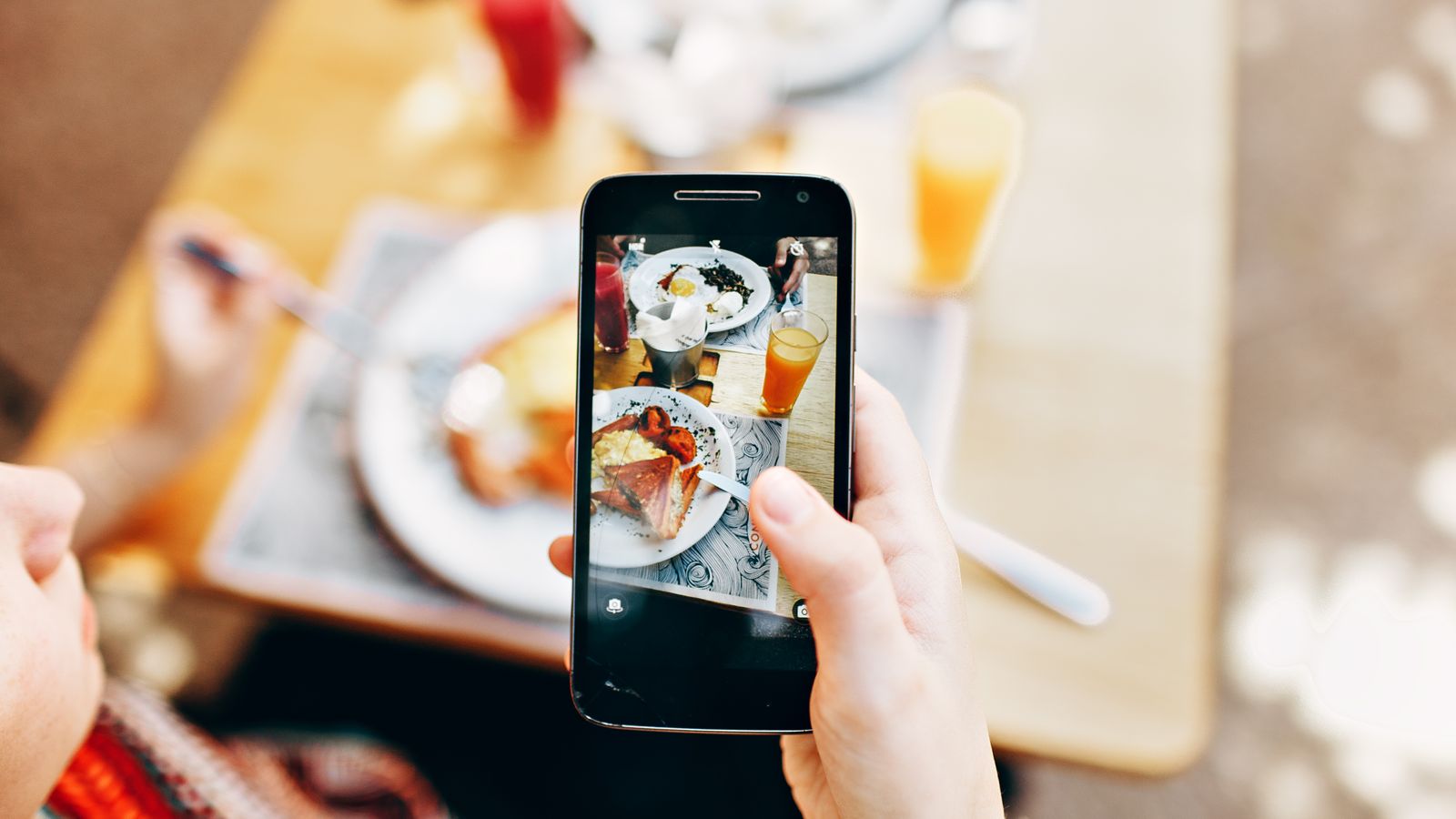
- Creative: Use short vertical video of the food being made and plated. Reels CPCs often run cheaper than feed placements, so lead with video.
- Offer: Promote a real reason to come now, such as an opening-week tasting, a free appetizer with entree, or a happy hour.
- Language: Run Spanish-language versions of every ad. A large share of the Miami market scrolls in Spanish, and most advertisers ignore it.
- Retargeting: Re-serve ads to people who viewed your profile, watched your video, or visited the site but never booked.
Start broad, then cut the audiences and creatives that aren't producing reservations or walk-ins within the first two weeks. See our restaurant social media services for how we structure launch campaigns.
Partner With Miami Food Influencers
Local creators move covers in Miami because diners trust a face they already follow. You do not need a celebrity. Micro-influencers (10K to 100K followers) usually convert better and cost less. Expect roughly $100 to $500 per Instagram post for a Miami food micro-influencer, and many will accept a comped meal for two plus a smaller fee instead of a flat rate.
How to run it well:
- Pick local, not just big: A creator with 25K engaged Miami followers beats one with 200K spread across the country.
- Invite 5 to 10 to your soft opening: Give them a great meal and the freedom to post honestly. Stagger their posts across your first two weeks so coverage doesn't spike and vanish.
- Ask for Reels and Stories, not just a grid post: Short video and Stories with a location tag and a link sticker drive the most action.
- Tie it to a tracking method: Use a creator-specific promo code or a booking link so you can see who actually drove reservations.
Treat these as relationships, not one-offs. The creators who post about your opening are the ones you bring back for the patio launch and the anniversary.
Run a Soft Opening That Generates Reviews and Content
Open quietly before you open loudly. A soft opening for 50 to 150 invited guests, run over two or three nights, lets the kitchen find its rhythm while you stockpile the two things a new restaurant needs most: Google reviews and real content.
- Invite the right mix: Neighbors, friends and family, local influencers, nearby business owners, and a few press or food bloggers.
- Make reviews easy: Put a QR code on the check that links straight to your Google review page. Ask, politely, for an honest review.
- Capture content: Hire a photographer or videographer for one night. You'll use those clips in ads and on the profile for months.
- Collect emails and numbers: Build a launch list you can text or email when you open to the public and for future events.
Walking into your public launch with 30-plus genuine reviews and a folder of strong video puts you ahead of most new restaurants in the city.
Time Your Launch Around Miami's Calendar
Miami has built-in demand cycles. Riding them is cheaper than fighting them.
- Miami Spice (August 1 to September 30): The GMCVB program draws diners citywide with prix-fixe menus, recently around $35 for lunch or brunch and $45 to $60 for dinner, across 300-plus restaurants. Joining puts you in front of an audience already out looking for new spots.
- Season (roughly November to April): Tourist and snowbird traffic peaks. Budget more ad spend here and lean into reservation-driving offers.
- Art Basel (early December) and major events: If you're near Wynwood, the Design District, or the Beach, plan promotions and influencer pushes around the calendar of events bringing crowds to your neighborhood.
- Slow summer weeks: Use locals-only deals, happy hours, and industry nights to keep covers up when tourists thin out.
Don't launch cold in a dead week if you can help it. Anchor the public opening to a moment when people are already looking for somewhere to eat.
Localize Everything for Miami's Neighborhoods and Languages
Miami isn't one market. A Brickell lunch crowd, a Wynwood late-night crowd, and a Coral Gables date-night crowd want different things, so your promotion should speak to whichever one is yours.
- Match the message to the neighborhood: Brickell responds to quick weekday lunch and happy hour. Wynwood rewards bold visuals and late hours. Coral Gables and the Gables crowd lean toward ambiance and service.
- Publish in Spanish and English: Run your ads, captions, and at least part of your website in both. A large share of Miami diners search and engage in Spanish, and most of your competitors aren't.
- Use local hashtags and geotags: Tag your neighborhood and the city on every post so you show up in local discovery.
- Get on the local lists: Pitch yourself to Miami food writers, neighborhood Instagram accounts, and roundup blogs that cover new openings.
Track the Numbers That Matter in Your First 90 Days
Vanity metrics lie. Followers don't pay rent. For the first 90 days, watch the numbers tied to revenue and review weekly:
- Covers and reservations: Are tables actually filling, and on which nights?
- Review velocity and rating: Aim for a steady flow of new Google reviews and a rating at 4.5 or above.
- Cost per reservation or walk-in from ads: Kill audiences and creatives that don't produce, double down on the ones that do.
- Profile actions: Track calls, direction requests, and website clicks from your Google Business Profile.
- Repeat visits: The real test of a new restaurant is whether opening-week diners come back.
Review these every Monday and adjust. The restaurants that win their first quarter are the ones that read the data and move fast. If you'd rather have a team own this, get in touch and we'll build the launch plan with you.
Frequently asked questions
What is the single most important thing to do first when promoting a new Miami restaurant?
Claim and fully build your Google Business Profile before opening day. Around 70% of consumers use Google products to find local businesses, and restaurants often get more views on their Google profile than their own website. Add a precise category, 20-plus real photos, your menu, hours, a reservation link, and start collecting reviews from soft-opening guests.
How much should a new restaurant in Miami budget for promotion?
Most new Miami restaurants spend $1,000 to $3,000 per month on paid social in the opening months, plus a few hundred to a couple thousand for local influencer partnerships and a one-night content shoot. Food is one of the cheaper verticals to advertise, with cost per click often between $0.50 and $1.70, so a modest budget can still move real foot traffic if the creative is strong.
Do I really need to advertise in Spanish in Miami?
Yes. A large share of Miami diners search, scroll, and engage in Spanish, and most restaurants run English-only campaigns. Running Spanish-language versions of your ads, captions, and at least part of your website reaches a big audience your competitors are ignoring. Use Caribbean and Latin American Spanish that sounds local, not a literal translation.
How much do Miami food influencers charge?
Local food micro-influencers (10K to 100K followers) typically charge roughly $100 to $500 per Instagram post, and many will accept a comped meal for two plus a smaller fee. A creator with 25K engaged Miami followers usually drives more reservations than a larger account spread across the country, so prioritize local relevance over follower count.
Should I time my launch around Miami Spice?
If your timing allows, yes. Miami Spice runs August 1 to September 30 and draws diners citywide with prix-fixe menus, recently around $35 for lunch and $45 to $60 for dinner across 300-plus restaurants. Joining puts your new spot in front of an audience already out hunting for new places to try.
What is a soft opening and why does it matter for promotion?
A soft opening is a quiet, invite-only run of 50 to 150 guests over two or three nights before your public launch. It lets the kitchen find its rhythm while you collect Google reviews and capture photo and video content. Walking into your public opening with 30-plus genuine reviews and strong video puts you ahead of most new restaurants in the city.
What metrics should I track in the first 90 days?
Track covers and reservations, Google review velocity and rating, cost per reservation or walk-in from ads, Google Business Profile actions (calls, direction requests, website clicks), and repeat-visit rate. Review them weekly and cut what isn't working. Follower counts and impressions are vanity metrics that don't reflect filled tables.
If this was useful and you would rather hand it off, book a free strategy call and we will build a plan around your specific restaurant.
Juan Hernandez
Juan Hernandez is an Account Manager and Founder at Button Up Media, a restaurant-focused marketing agency based in Miami, Florida. He works directly with owners to turn marketing into reservations, orders, and foot traffic.