Does My Restaurant Really Need a Website in 2026?
Yes. In 2026 your restaurant really does need a website, because it is the only part of your online presence you actually own. Instagram, DoorDash, and even your Google listing sit on platforms that can change the rules or go down. A simple website helps guests find you on Google, answers their questions, and lets you take orders and reservations while keeping more of every dollar.

- Yes, your restaurant needs a website in 2026. It is the one piece of your online presence you actually own and control.
- Instagram, DoorDash, and your Google listing are rented land. A platform can change its rules, take a commission, or go down, and you have no backup without a site of your own.
- A real website helps you show up on Google search and Maps, because it signals to Google that your restaurant is legit and worth showing.
- Your own site lets you take commission-free orders and reservations, instead of handing 15 to 30 percent of each order to a delivery app.
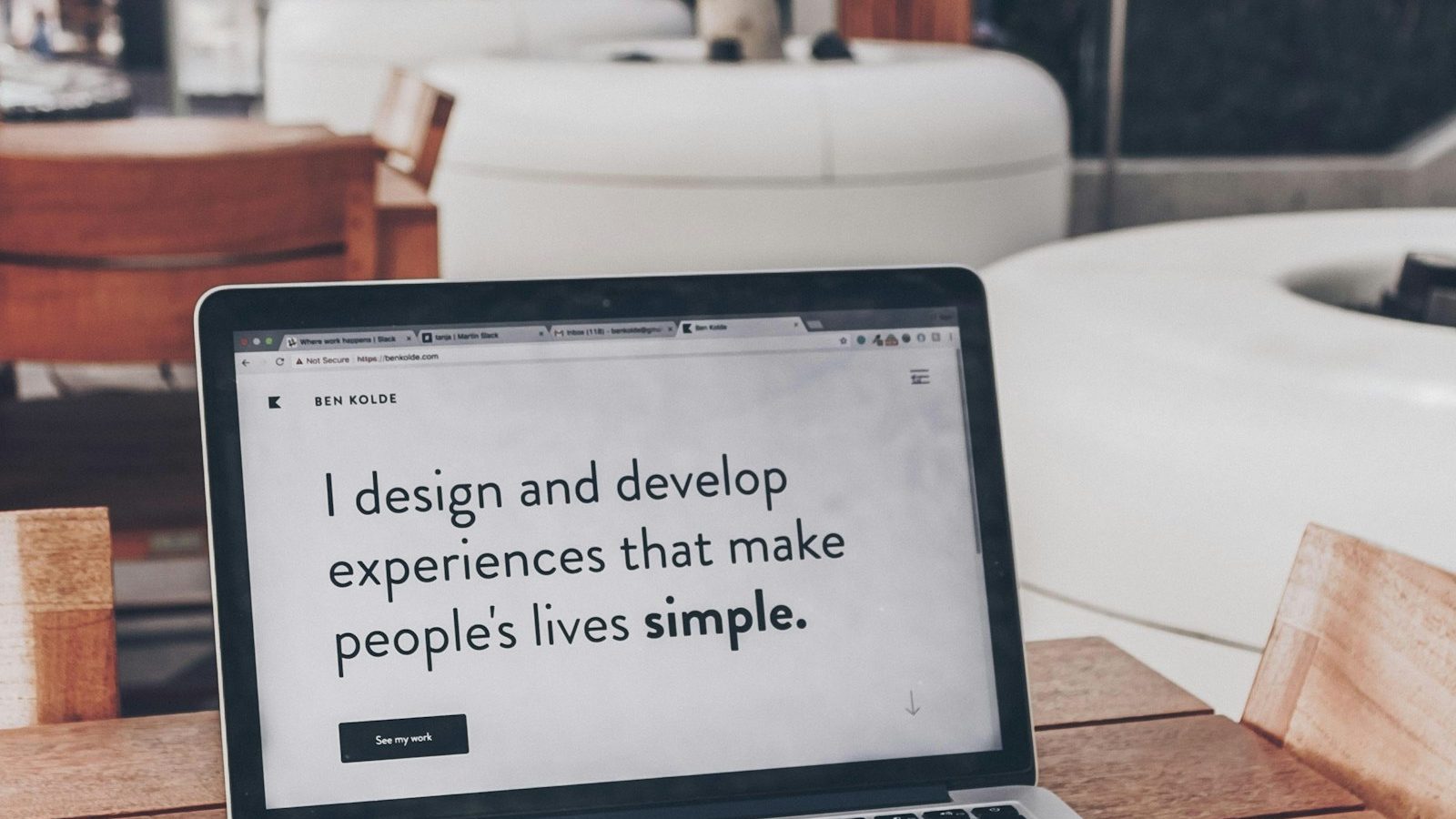
- A great restaurant website can be simple: menu, hours, location, a few photos, and one order or book button, fast on a phone.
- Instagram still matters. It is where people discover you. A website is where they decide. You want both, doing their different jobs.
So do I actually need a website, or is that old advice?
Let me answer the real question first, because it is usually hiding under the one you typed. When you ask do I need a website, you are really asking whether this is worth your money and your time, or whether it is something the digital world moved past. Fair question. You already juggle payroll, a busy Friday, and three delivery apps. The last thing you want is another bill for something nobody uses.
Here is the honest answer. Yes, your restaurant needs a website in 2026, and not because it is a rule. You need one because it is the only piece of your online presence that you actually own and control. Everything else, from Instagram to DoorDash to your Google listing, sits on land you rent from a company that can change the rules whenever it wants.
That does not mean you need something huge or expensive. A great restaurant website can be simple, and this guide walks you through what it really needs, what it does that your other channels cannot, and how to start without the overwhelm. No jargon. Any marketing word that shows up, I will stop and explain in plain English.
What a website does that Instagram and DoorDash cannot
Think about where your restaurant lives online right now. You probably have an Instagram page, maybe a TikTok, a listing on DoorDash or Uber Eats, and a Google Business Profile (that is the free box about your restaurant that pops up on Google with your hours, photos, and map pin). All useful. But every one of them has the same catch: you do not own it.
You are a tenant. Instagram decides who sees your posts and can change that overnight. DoorDash sets the commission it takes from each order. A platform can suspend your account by mistake, shrink your reach, or simply go down for a few hours during your dinner rush. When that happens, you have no backup and no way to reach the guests you worked years to win.
A website is the one place that is yours. You own the address (like yourrestaurant.com), you control what it says, and nobody can quietly throttle it or change the deal. It is the home base the rest of your marketing points back to. Your Instagram bio links to it. Your Google listing links to it. A flyer in Wynwood sends people to it. When you own the home base, a bad week on any single platform stops being a disaster.
Renting versus owning, in one sentence
Instagram and DoorDash are like renting a booth in a food hall that someone else runs. A website is like holding the lease on your own storefront. You still want the food hall traffic, but you would never want it to be the only place people can find you.
How does a website help people find me on Google?
Here is something a lot of owners do not realize. When someone in Coral Gables searches for brunch near me, or types your restaurant name into Google, Google wants to show them accurate, trustworthy results. A real website is one of the strongest signals that your restaurant is legit and worth showing. It is not the only signal, but it helps both your regular Google results and your spot on Google Maps.
Your website and your Google Business Profile work as a team. The profile powers the map pin and the little info box. Your website backs it up with a full menu, your story, photos, and answers to what guests ask. When the two match and point at each other, Google trusts you more. A restaurant with no website at all is leaning on a rented listing alone, which is a weaker hand.
A quick test you can do right now
- Open Google on your phone or computer and go to google.com.
- Type your restaurant name and city, for example your spot plus Little Havana, and search.
- Look at the box that appears on the right on a computer, or at the top on a phone. Is there a Website button? Tap it. Does it go to a real page you control, or to a third-party menu, a Facebook page, or nothing at all?
- Now search a dish you are known for plus your neighborhood, like cortadito in Brickell. See who shows up. The spots ranking well almost always have a real website behind them.
If that Website button is missing or points somewhere you do not control, you just found business you are leaving on the table.
What does it cost you to NOT have a website?
Not having a website is not free. It just moves the cost somewhere that never shows up on a bill. Here is where it quietly adds up.
You lose guests who were ready to walk in
People check before they eat, especially visitors during Miami's busy season from December to April. If a hungry family cannot quickly find your hours, your menu, or whether you have parking, they do not call to ask. They tap the next restaurant that answered those questions first. You never see that lost table, but it is real.
You hand a slice of every order to someone else
Third-party delivery apps are great for reach, but they take a cut of each order, commonly somewhere in the range of 15 to 30 percent depending on the plan you are on. On your own website you can add online ordering and keep much more of every ticket. Reservations work the same way. Many booking platforms charge a fee per seated guest or a monthly cost, while a simple reservation or waitlist link on your own site can cost little or nothing.
You depend on channels you cannot control
When your entire presence lives on Instagram and the delivery apps, you are one algorithm change or one outage away from a very quiet night. A website does not replace those channels. It gives you a foundation, so a bad day on any one of them does not empty your dining room.
But I already have Instagram. Isn't that enough?
This is the most common pushback, and it comes from a good place. Maybe your Instagram is genuinely strong. Maybe a reel of your birria did big numbers last month. Wonderful. Keep that going, because a strong Instagram truly matters. But Instagram and a website are not the same tool, and one cannot fully do the other's job.
Instagram is where people discover you and fall for your food. It is the window display. A website is where people decide. It is the front door and the host stand. When someone is hungry right now, they do not scroll your whole grid hunting for today's hours or whether you take walk-ins. They want a clear page with the menu, the hours, the address, and a button to order or book. That is a website's job.
They also answer different questions. Instagram answers does this look good. A website answers can I actually eat here tonight, and how. You want both working together: Instagram pulls people in, and your website turns that interest into a booked table or a placed order. We broke this comparison down in detail here: restaurant website versus Instagram in 2026.
What does a simple, effective restaurant website actually need?
Good news: a restaurant website does not need to be fancy to work. It needs to answer, fast, the handful of questions every guest has. If your site does these well on a phone, it is already ahead of most. Here is the short list.
- Your menu as a real web page, not a PDF. A PDF is slow to open on a phone and hard to read. A simple web page with your dishes and prices is what guests and Google both want.
- Hours, address, and phone number, easy to find. Put them where a thumb can reach in two seconds. Include a tappable phone number and a map link.
- The practical stuff guests actually ask about. Parking (a real question in Brickell and on Miami Beach), whether you take reservations or walk-ins, delivery and takeout options, and whether you have outdoor seating.
- An order or reservation button. One clear button to order online, book a table, or join a waitlist. This is where a website starts paying for itself.
- A few great photos. Bright, real photos of your food, your dining room, and your storefront. Phone photos in good light are perfectly fine.
- Fast, and correct on a phone. Most of your guests are on a phone. If the site is slow or clumsy on mobile, they leave. This is the one technical thing worth getting right.
Notice what is not on this list: heavy animations, a blog you will never write, or ten pages of text. Simple and clear beats big and busy every time.
How much does a restaurant website cost, and how long does it take?
Let me be straight with you, because vague answers here cause the most stress. The truth is that it depends on the route you take, but it is almost certainly less scary than you are picturing. Here are the realistic paths, from cheapest to most hands-off.
Do it yourself with a website builder
Tools like Squarespace, Wix, or GoDaddy let you build a simple site yourself with drag-and-drop templates. You pay a monthly or yearly fee for the software, plus a small yearly cost for your domain name (that is your web address). This is the lowest cost in dollars, but it costs you time and a learning curve, and restaurant features like online ordering can be fiddly to set up well.
Hire a freelancer or an agency
If you would rather hand it off, you can pay a freelancer or a restaurant-focused agency to build and run it for you. This costs more up front than doing it yourself, but you get a site built around ordering, reservations, and getting found on Google, without spending your own nights learning software. Prices vary widely by scope, so get a clear quote and ask exactly what is included and what it costs to maintain.
How long it takes
A simple, well-built restaurant website usually comes together in a couple of weeks, not months, once you have your menu, photos, and hours ready. The slowest part is almost always gathering that content, so the fastest thing you can do today is pull those pieces together. If you want a straight answer for your specific spot, that is exactly what a restaurant website partner can lay out for you.
How do I get started without the overwhelm?
The trick to not getting overwhelmed is to treat this as a few small steps, not one giant project. You do not have to finish it this week. You just have to start. Here is the order I would go in.
- Gather your content first. In one folder or note on your phone, collect your current menu with prices, your exact hours, your address and phone number, and 8 to 12 good photos. This single step removes most of the friction.
- Claim your domain name. Your domain is your web address, like yourrestaurant.com. Go to a registrar such as Namecheap or GoDaddy, type the name you want into the search box, and if it is available you can claim it for a small yearly fee. Try to match your restaurant's real name so guests can guess it.
- Decide who builds it. Be honest about your time. If you enjoy tinkering and have the hours, a builder works. If your nights are already full running the floor, handing it off is worth it.
- Start with one simple page. You do not need ten pages. A single clean page with your menu, hours, location, photos, and an order or book button is a real, working website. You can grow it later.
- Connect it to everything. Once it is live, add the website link to your Google Business Profile and your Instagram bio, so every channel points home.
That is the whole path. If reading this made you realize your restaurant has no site, or has one that is not pulling its weight, that is a useful thing to know and it is very fixable. When you want a hand, we build simple, fast restaurant websites designed to bring in orders and reservations, and we are glad to point you in the right direction even if you decide to build it yourself.
Frequently asked questions
Does my restaurant really need a website in 2026?
Yes. Even with a strong Instagram and delivery apps, your restaurant needs a website because it is the only part of your online presence you actually own. Instagram, DoorDash, and your Google listing all sit on platforms that can change their rules, take a commission, or go down. A simple website helps guests find you on Google, answers their questions about hours and menu, and lets you take orders and reservations while keeping more of every dollar.
Isn't Instagram enough for my restaurant?
No, because Instagram and a website do different jobs. Instagram is where people discover your food and get excited about it. A website is where a hungry guest decides to eat with you, by quickly finding your hours, menu, location, and a button to order or book. A strong Instagram still matters a lot, but it cannot reliably answer the practical questions a guest has in the moment, and you do not control who sees your posts. The two work best together.
What should a simple restaurant website include?
At a minimum, a restaurant website should include your menu as a real web page (not a slow PDF), your hours, your address with a map link, a tappable phone number, and a clear button to order online or book a table. Add a few bright photos of your food and dining room, note practical details like parking and outdoor seating, and make sure the whole thing loads fast and looks right on a phone, since that is where most guests will see it.
How much does a restaurant website cost?
It depends on the route you choose. Building it yourself on a tool like Squarespace or Wix costs the least in dollars, usually a monthly or yearly software fee plus a small yearly charge for your domain name, but it costs you time. Hiring a freelancer or a restaurant-focused agency costs more up front and gives you a site built around ordering, reservations, and getting found on Google without the learning curve. Prices vary widely by scope, so ask for a clear quote and confirm what ongoing maintenance costs.
Can I take orders on my own website instead of paying DoorDash?
Yes. You can add online ordering directly to your own website and keep much more of each ticket, instead of handing a delivery app a cut that is commonly somewhere between 15 and 30 percent per order. Many restaurants use the delivery apps for reach and their own website for repeat and pickup orders, so regulars order directly and you protect your margin. The same idea applies to reservations, where your own booking or waitlist link can cost far less than some third-party platforms.
Does having a website help my restaurant show up on Google?
Yes. A real website is one of the signals Google uses to trust that your restaurant is legitimate and worth showing, which helps both your regular search results and your position on Google Maps. Your website and your free Google Business Profile work as a team: the profile powers your map pin and info box, and your website backs it up with your full menu, photos, and details. When the two are consistent and link to each other, you are more likely to be found by nearby searchers.
How long does it take to build a restaurant website?
A simple, well-built restaurant website usually comes together in about a couple of weeks, not months, once your menu, photos, and hours are ready. The slowest part is almost always gathering that content, not the building itself. If you collect your menu with prices, your exact hours, your address and phone number, and 8 to 12 good photos before you start, you remove most of the delay and can launch a clean one-page site quickly, then grow it over time.
Do I still need a website if I have a Google Business Profile?
Yes, because they do different jobs and are stronger together. Your Google Business Profile is the free listing that powers your map pin and the info box on Google, but you do not own it and it is limited to what Google allows. Your website is the page you own at your own address, where you control the full menu, ordering, reservations, and your story. The profile helps people find you, and the website helps them decide and act, so most restaurants want both.
If this was useful and you would rather hand it off, book a free strategy call and we will build a plan around your specific restaurant.
Christian Paula
Christian Paula is the Creative Director at Button Up Media, a restaurant-focused marketing agency based in Miami, Florida. He leads the content, video, and design work that helps restaurants, bars, and coffee shops stand out and fill seats.